Uncategorized

Old radio-teleswitch meter? This is what you need to know

After several delays, the BBC is switching off its long wave service on 27th June 2026. The technology is nearing the end of its life, listeners are switching to other digital platforms, and it is no longer cost effective to maintain. 

What relevance is this to electricity meters? 

It is relevant because longwave radio signals are used by the Radio Teleswitch Service (RTS). The RTS is a technology introduced in the 1980s that receives radio signals to tell electricity meters when to switch between different rates, or when to turn heating and hot water systems on and off.

How do you know if it will impact you?

It could impact anyone who has a RTS meter and who has not yet had a smart meter fitted. 

You may have a RTS meter if you have electric storage heaters, you have peak and off-peak charges for electricity – e.g. Economy 7, Economy 10 or a Super tariff, and/or if there is a switch box with a Radio Teleswitch label on it near to your electricity meter.
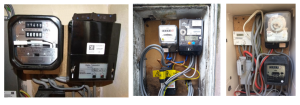
If you’re not sure, check with your electricity supplier (they should also have contacted you over the last few years about this and advised you to schedule an appointment to have a smart meter installed).

What do you need to do?

You need to contact your energy supplier and organise to have a smart meter installed.

What will happen if you don’t have a smart meter installed?

There is a risk that your electricity meter may start to act unpredictably and it could impact your heating and hot water.

Possible impacts

  • Your heating and hot water may remain continually on or off
  • Storage heaters could charge up at the wrong time of day
  • Meter may not switch between peak and off-peak times
  • You could get incorrect charges if the supplier can’t tell how much electricity you use during peak and off-peak times

How many RTS meters are left?

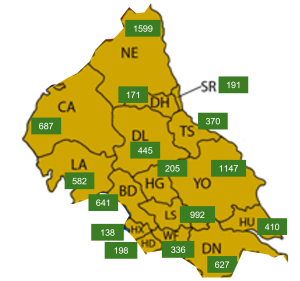
Data provided by energy suppliers (domestic and non-domestic) shows that there are still 136,137 RTS meters in situ across England, Scotland and Wales (as of 24th April 2026).
For more FAQs, visit the Energy Saving Trust website.